
Fatty Lumps on Dogs: What to Watch For and Natural Wellness Support
Finding a soft bump under your dog’s coat is stressful—especially as they get older. Here is how to track changes smartly, know when to book a vet visit, and build a steady daily wellness routine.
Quick Takeaway for Dog Owners
Most soft, movable bumps under an older dog’s skin are lipomas (benign fatty lumps), but you should always have a veterinarian examine any new or changing lump first. Once your vet confirms what you are dealing with, pairing healthy weight management and daily immune and gut support—such as Turkey Tail mushroom, probiotics, and digestive enzymes—helps support overall senior vitality alongside routine monitoring.
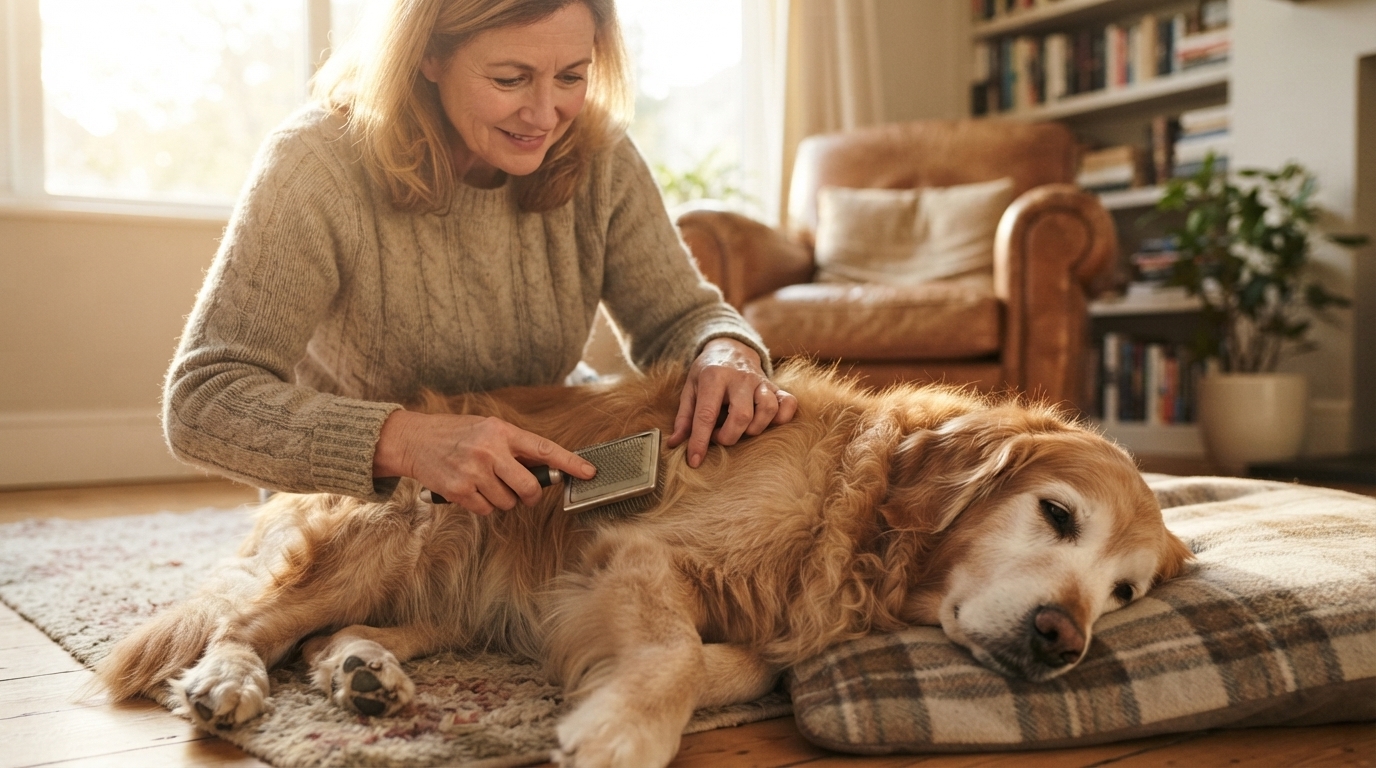
1. What Those Lumps Under Your Dog’s Skin Usually Are
When you run your hands along your dog’s ribs, chest, belly, or legs and feel a small bump, your mind usually jumps to the worst-case scenario. In practice, veterinarians frequently find lipomas—slow-growing collections of fat cells just beneath the skin that are typically benign.
Lipomas show up more often in middle-aged and senior dogs, dogs carrying extra weight, and breeds genetically predisposed to them (like Labrador Retrievers, Golden Retrievers, and Dobermans). Even so, a soft bump on the outside looks similar on the surface to cysts, abscesses, or other growths that need real clinical eyes.
2. Red Flags: When to Call Your Vet Right Away
Never guess based on feel alone. Schedule a veterinary exam—often starting with a quick, minimally invasive fine-needle aspirate—if you notice any of the following:
- Rapid growth: Any lump that changes size noticeably over days or a few weeks.
- Firm, fixed, or irregular texture: Hard masses or lumps anchored tightly to underlying tissue rather than shifting slightly under the skin.
- Pain, heat, or skin changes: Redness, swelling, warmth, ulceration, discharge, or flinching when touched.
- Behavior shifts: Limping, reluctance to lie on one side, lower appetite, or sudden fatigue.
3. How to Track a Lump Between Vet Visits
If your vet has evaluated a lump and advised routine monitoring, consistent notes beat vague memory every time. Once a month—ideally on the same day—do a quick two-minute check:
- Note the location: Record exact placement (for example, left ribcage, two inches behind the shoulder).
- Measure or compare size: Jot down approximate width in centimeters or compare it to a familiar coin or grape.
- Log feel and comfort: Note whether it feels soft or firmer, movable, and whether your dog seems bothered by it.
4. Natural Wellness Support: Immune, Gut & Weight Habits
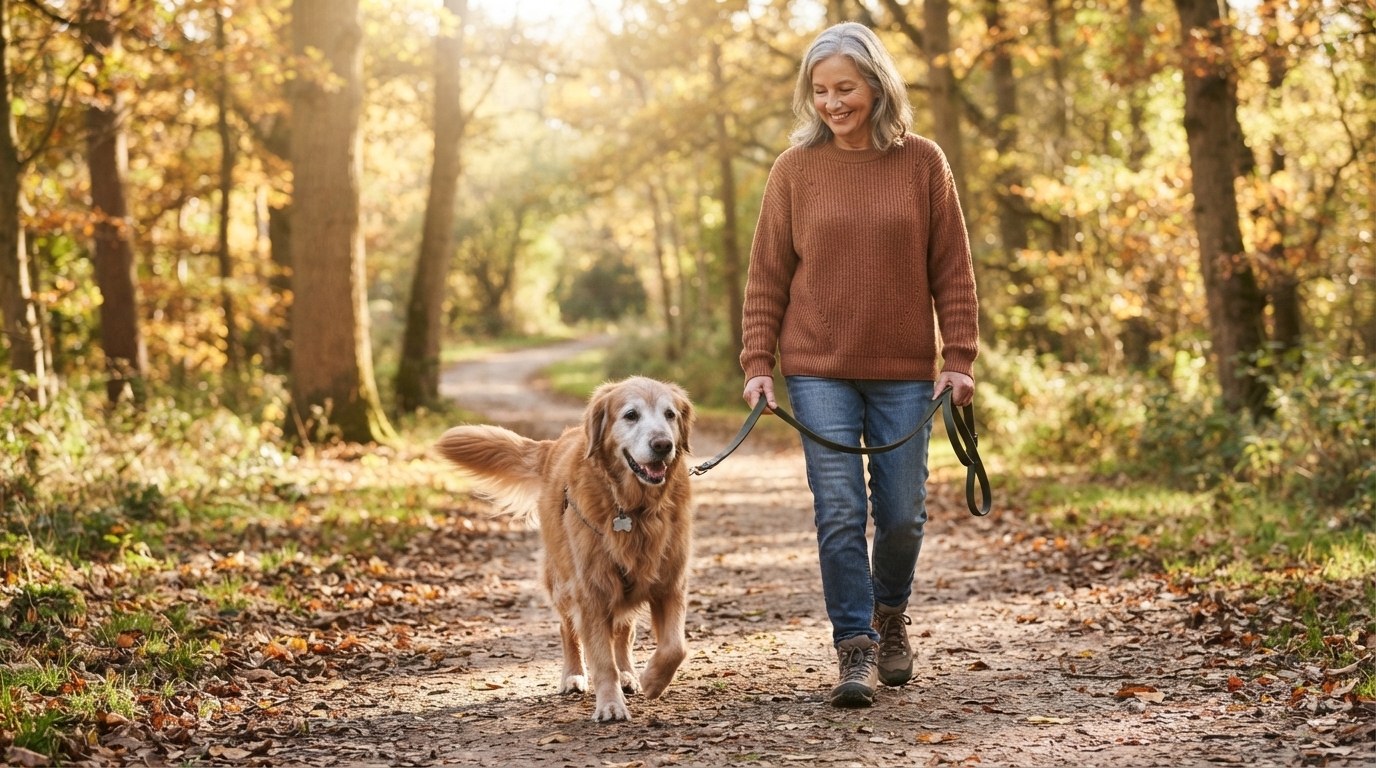
Once serious medical concerns are ruled out, long-term comfort for older dogs comes down to boring, repeatable basics: keeping body condition lean, staying active within your dog’s comfort zone, and supporting immune and digestive resilience.
Many dog owners look into Turkey Tail mushroom (Trametes versicolor) because of its rich beta-glucan and polysaccharopeptide profile studied for immune system support. Pairing immune botanicals with probiotics (like Bacillus subtilis) and digestive cofactors (such as bromelain and prebiotic MOS/FOS) helps support gut balance and nutrient absorption as a dog ages.
| Wellness Pillar | What It Supports | Everyday Habit |
|---|---|---|
| Immune & Cellular Balance | Natural immune response and healthy aging | Daily standardized Turkey Tail extract |
| Gut & Digestive Comfort | Microbiome balance, regular stools, nutrient uptake | Probiotics + prebiotics (MOS/FOS) + enzymes |
| Weight & Mobility | Lower joint and metabolic strain | Portion control + steady low-impact walks |
5. Making Daily Supplements Easy Without Pill Battles
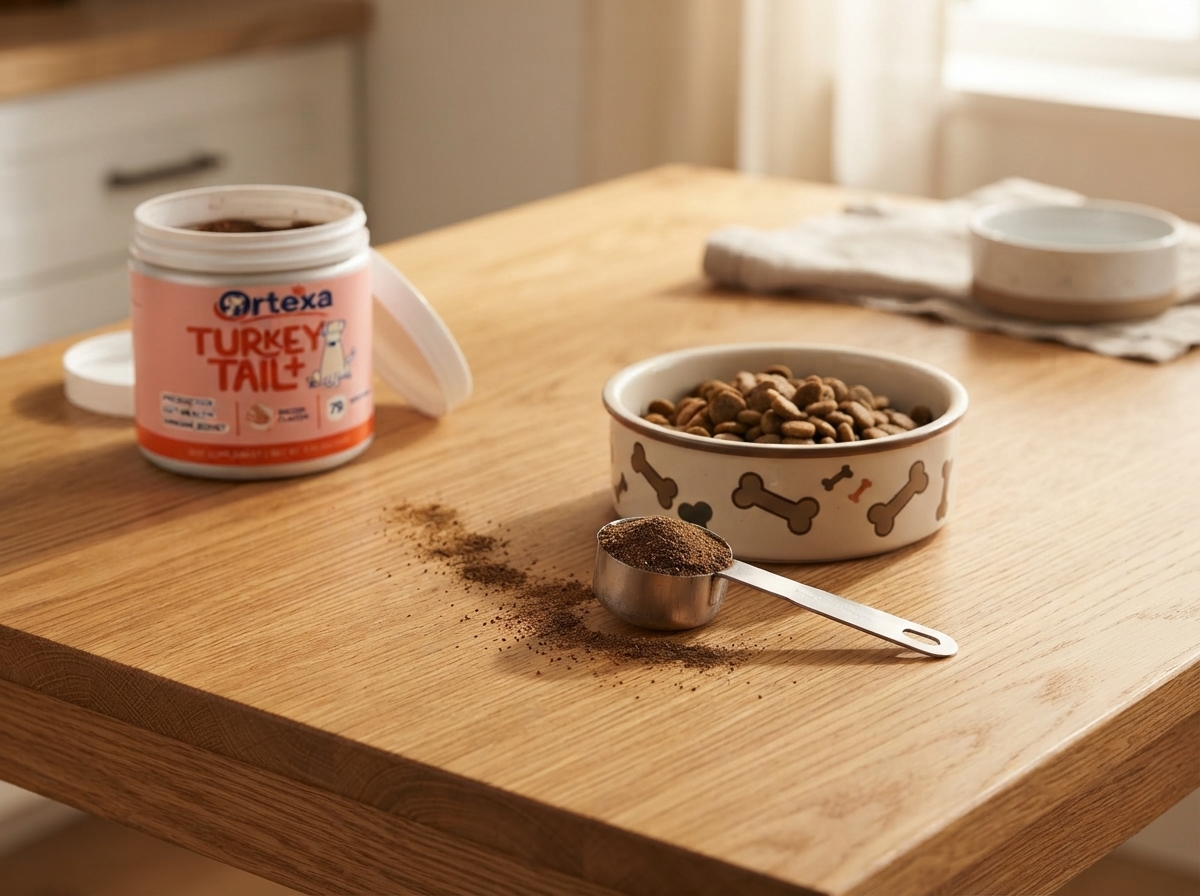
The best supplement routine is the one you can stick to every single day without wrestling your dog over a pill. A savory powder topper that mixes right into breakfast or dinner keeps compliance simple—especially for picky eaters.
Ortexa Turkey Tail+ combines Organic Turkey Tail mushroom with Bacillus subtilis, bromelain, and MOS/FOS in a bacon-flavored blend with 75 scoops per jar. Daily dosing scales simply by weight: 1 scoop up to 24 lbs, 2 scoops for 25–50 lbs, and 3 scoops for 51–200+ lbs.
See bundle options, feeding guide, and our 60-day money-back guarantee on the Turkey Tail+ product page.
6. Frequently Asked Questions
Can supplements cure or replace a vet check for a lump on a dog?
No. Supplements do not diagnose, treat, or cure medical conditions. Any new, fast-growing, firm, or painful lump should be evaluated by a licensed veterinarian first.
What is a lipoma on a dog?
A lipoma is a common, typically benign fatty growth under the skin, most often seen in middle-aged or senior dogs, overweight dogs, and certain breeds.
How does Turkey Tail mushroom support dogs with fatty lumps?
Turkey Tail provides beta-glucans and polysaccharopeptides studied for immune support, which owners often pair with weight management and gut support for senior dogs.
How many scoops of Ortexa Turkey Tail+ should a dog get per day?
Feed 1 scoop daily for dogs up to 24 lbs, 2 scoops for 25–50 lbs, and 3 scoops for 51–200+ lbs, mixed directly into regular meals.